Wolves return to Finnish villages after Google clears forest
Displaced wildlife is entering residential areas following the unauthorized clearing of 1,300 acres of woodland for new data center infrastructure.
By Andrew Fletcher ·
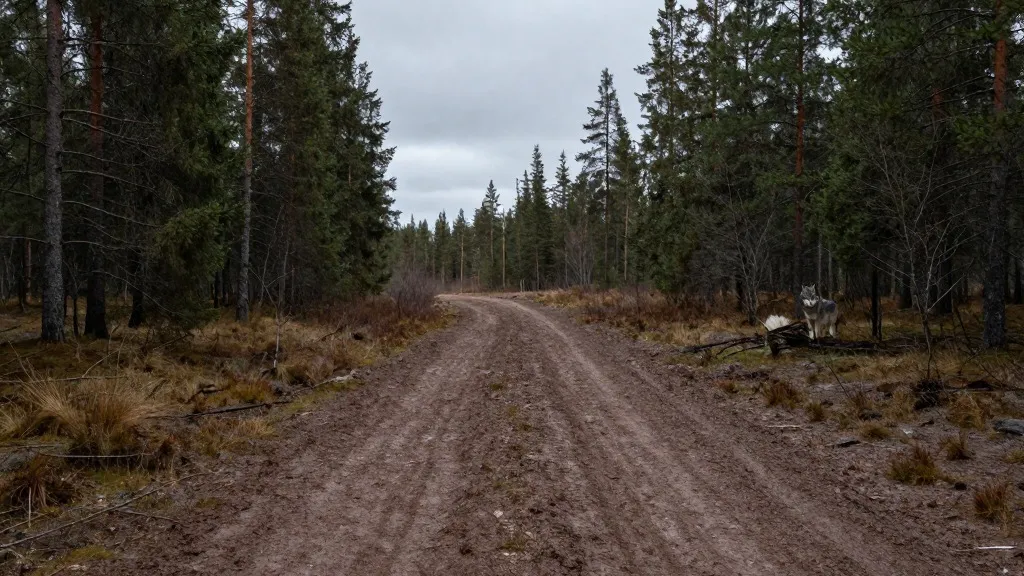
One thousand three hundred acres of Finnish forest have effectively vanished, replaced by a vast expanse of mud. This dramatic transformation is the result of construction activity by Google, which has been building new AI data centers in the country. The scale of the land alteration has forced local wolf packs to leave their traditional habitats, leading to a noticeable increase in wildlife sightings in nearby residential communities.
The situation escalated after the Finnish Licensing and Supervision Authority, known as LVV, intervened. In October 2026, regulators issued a formal order requiring Google to halt work in two specific zones. One area is located near the village of Muhos, where 816 acres of forest were cleared without full authorization. The second site, situated roughly 55 miles southeast of Otanmäki, involves the clearing of approximately 500 acres. These figures highlight the significant footprint of the American tech giant’s expansion in the region.
Local residents report that the disruption has gone beyond mere environmental loss. Anni Ranta, a 53-year-old resident of Otanmäki whose family has lived in the area for generations, describes the immediate impact on daily life. She notes that wolves and other wild animals have begun moving into the village because their natural forest homes were displaced. This shift raises serious safety concerns for families living in the countryside, as predators that previously stayed in the woods are now venturing closer to human dwellings.
Ranta also expressed broader geopolitical anxieties. She fears that the presence of U.S.-owned data centers may make Finland a more attractive target for Russian aggression. While this concern sits at the intersection of technology and national security, it underscores the local sentiment that the project’s benefits are being weighed against significant risks.
The environmental damage has drawn sharp criticism from conservation groups. A representative for the Finnish Association for Nature Conservation, SLL, told The Guardian that Google’s handling of environmental policies has been unprecedented in its clarity and severity. Locals have also cited additional issues, including persistent construction noise, streams turning brown from runoff, and the displacement of rare bird species. These complaints mirror patterns seen in other countries where AI infrastructure development has clashed with local ecosystems.
Despite the regulatory halt, Google maintains a cooperative stance. A company spokesperson stated that the firm will fully comply with the LVV’s requests. The spokesperson added that Google looks forward to maintaining an active and open dialogue with all authorities to strengthen its partnership with Finland and local organizations. This optimistic tone suggests the company is banking on the long-term business benefits of the data centers to sway regulators and the government.
The timeline of events shows a rapid progression from construction to conflict. Earlier this month, the Finnish government gave notice to stop construction activities in Muhos and Kajaani, which is near Otanmäki. Google’s Finland country manager has since apologized for the unauthorized clearings. However, the physical reality on the ground remains a landscape of mud where forest once stood, prompting the current wave of wildlife incursions into villages.
As the work stops, attention turns to the next steps. Regulators will monitor compliance with the cease-work orders, while local communities watch for further animal activity. The balance between rapid AI infrastructure deployment and environmental stewardship is now under intense scrutiny in Finland, with the displaced wolf packs serving as a stark reminder of the immediate ecological cost.
Source: Tom's Hardware